
The Future of Beekeeping in Australia: Sustainable Practices for a Healthy Planet
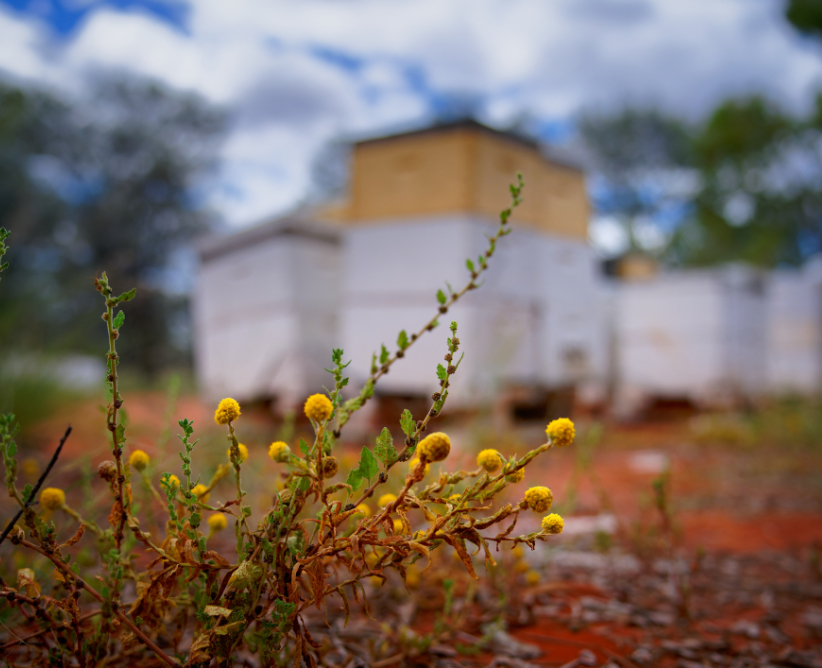
A Turning Point for Australian Beekeepers
Across Australia, serious and commercial beekeepers are recognising that the future of the industry will depend on more than honey yields and pollination contracts. Environmental pressures, changing climates, biosecurity threats, and shifting public expectations are reshaping what responsible apiculture looks like. For those who work with bees every day, sustainability is no longer an abstract concept. It is a practical necessity. The decisions made today about hive management, forage protection, and environmental stewardship will determine whether the industry remains viable for the next generation of beekeepers.
Protecting and Expanding Forage Resources
One of the greatest challenges facing Australian beekeeping is the loss of reliable forage. Land clearing, drought cycles, and urban development have reduced the availability of native flowering plants that bees depend on for nectar and pollen.
Commercial beekeepers are increasingly advocating for the protection of native forests and floral corridors. Eucalypt species, acacias, melaleucas, and other native plants provide critical seasonal flows that sustain both managed and wild pollinators. Supporting reforestation projects, planting bee-friendly vegetation, and working with landholders to preserve flowering landscapes are becoming central parts of sustainable apiary management.
Strengthening Biosecurity and Hive Health
The arrival of new pests and diseases has highlighted the importance of strong biosecurity practices. Maintaining healthy colonies is not simply about productivity; it is about protecting the entire beekeeping industry.
Routine hive monitoring, responsible movement of hives between regions, and compliance with national biosecurity guidelines are essential practices for professional apiarists. Early detection of pests, careful management of equipment, and maintaining strong colonies all help reduce the spread of disease and parasites that could otherwise devastate bee populations.
A sustainable industry depends on vigilance and cooperation among beekeepers, regulators, and researchers.
Reducing Chemical Dependence
Modern beekeeping increasingly focuses on reducing reliance on chemical treatments wherever possible. While some interventions remain necessary, many commercial beekeepers are exploring integrated pest management strategies that prioritise colony resilience.
These approaches include selective breeding for hygienic behaviour, maintaining strong genetic diversity, and improving hive nutrition through better forage access. By strengthening natural colony defences, beekeepers can reduce chemical inputs while maintaining hive productivity.
The long-term goal is healthier bees that require fewer artificial interventions.
Working with the Environment, Not Against It
Sustainable beekeeping also means adapting to environmental realities. Climate variability is affecting flowering cycles, nectar flows, and seasonal patterns across Australia. Successful beekeepers are adjusting their management practices to align with these changes.
This may involve modifying hive placement, altering migration schedules, or providing additional water sources during extreme heat. Flexibility and close observation of environmental conditions are becoming increasingly important skills for modern apiarists.
Beekeeping has always required an understanding of natural systems, but the need for environmental awareness has never been greater.
Conclusion: Building a Sustainable Industry
For Australian beekeepers, sustainability is about more than environmental responsibility. It is about protecting livelihoods, preserving pollination services for agriculture, and ensuring healthy bee populations into the future.
The future of beekeeping will belong to those who prioritise strong colonies, healthy landscapes, and responsible management practices. By working with nature and supporting resilient ecosystems, today’s beekeepers can help build an industry that continues to thrive for generations to come.
– Become BQUAL certified –
Proudly display the B-QUAL logo and demonstrate your enterprise is operating in accordance with the industry requirements and expectations of consumers, markets, regulatory authorities and the wider community, in relation to the key issues of food safety and industry best practices.

