
Propolis Harvesting: Techniques and Uses
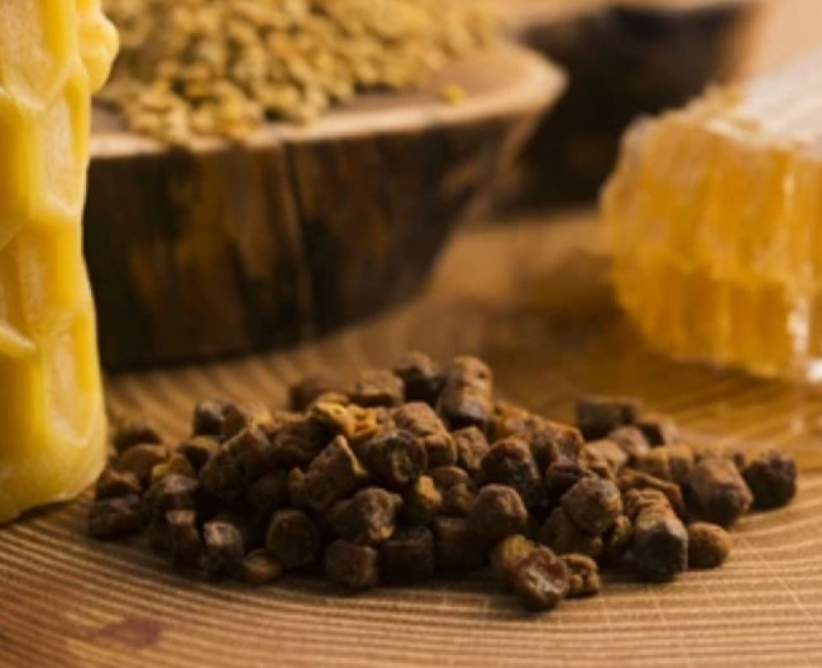
Turning a Hive Defence Mechanism into a Valuable Hive Product
Propolis harvesting is the process of collecting the resinous material that honey bees gather from plants and combine with wax and their own secretions to create a sticky, protective substance used throughout the hive. Sometimes called “bee glue”, propolis is used by bees to seal cracks, reduce unwanted gaps and help maintain a hygienic hive environment.
For serious beekeepers and commercial operators, propolis represents more than an interesting by-product. With appropriate management, it can become an additional hive product and revenue stream. As spring gets underway across Australia, colonies are becoming increasingly active, making this a useful time to consider whether propolis production can be incorporated into an existing apiary management programme.
Understanding Where Propolis Comes From
The composition and quantity of propolis can vary considerably depending on location, season and available vegetation. Bees collect resins and plant exudates from trees and other plants, meaning colonies in different regions can produce propolis with noticeably different characteristics.
This variation is commercially important. Beekeepers should consider local forage when assessing the potential for propolis production and avoid assuming that every colony will produce the same quantity or quality.
Using Propolis Traps
One of the most practical harvesting methods is the use of a propolis trap or flexible plastic grid. The trap is positioned inside the hive, creating small gaps that bees instinctively attempt to seal with propolis.
Once sufficiently covered, the trap can be removed and chilled or frozen. The propolis becomes brittle, allowing it to be flexed or scraped from the surface with relatively little contamination.
Timing is important. Traps should be managed according to colony strength and local conditions rather than simply left in place indefinitely. Regular monitoring helps prevent unnecessary disruption and allows the beekeeper to harvest when sufficient propolis has accumulated.
Managing the Colony While Harvesting
Propolis production should never come at the expense of colony health. Commercial beekeepers need to consider whether introducing additional gaps or traps could interfere with normal hive management, ventilation, brood care or honey production.
Strong colonies are generally better candidates for dedicated propolis production. Traps should also be kept clean and handled carefully to minimise contamination from dirt, wax, treatments or other hive debris.
Good records are valuable. Recording colony, apiary location, harvest date and approximate yield can reveal which colonies and locations consistently produce the most useful quantities.
Processing and Storing Propolis
Once harvested, propolis should be kept clean and dry. Freezing is commonly used to make collection easier and can also simplify subsequent handling. Larger pieces can then be separated from obvious contaminants before storage.
The intended end use should influence processing decisions. Raw propolis may be sold as a hive product, while further processing can produce extracts, tinctures, cosmetics and other value-added products. Any commercial processing must take account of applicable Australian food, therapeutic goods, cosmetic and labelling requirements.
Building Propolis into a Commercial Apiary
For commercial operators, propolis should be evaluated as part of the overall economics of an apiary rather than treated simply as an additional product. Yield per colony, labour requirements, equipment costs, processing, storage and market demand all need to be considered.
The most successful approach is likely to be one that integrates harvesting into normal hive-management routines rather than creating a labour-intensive process that compromises honey production.
Conclusion: Making More of Every Hive
Propolis has long been essential to the bees themselves, but it can also provide an opportunity for beekeepers to diversify their hive products. With spring now underway, Australian beekeepers have an opportunity to assess colony strength, local forage and production goals before deciding whether propolis harvesting has a place in their operation.
For those prepared to monitor colonies carefully, maintain product quality and understand the economics, propolis can turn an overlooked hive material into a potentially valuable addition to a commercial beekeeping enterprise.
– Become BQUAL certified –
Proudly display the B-QUAL logo and demonstrate your enterprise is operating in accordance with the industry requirements and expectations of consumers, markets, regulatory authorities and the wider community, in relation to the key issues of food safety and industry best practices.
