
Building Sustainable Beehives: Eco-Friendly Materials and Designs
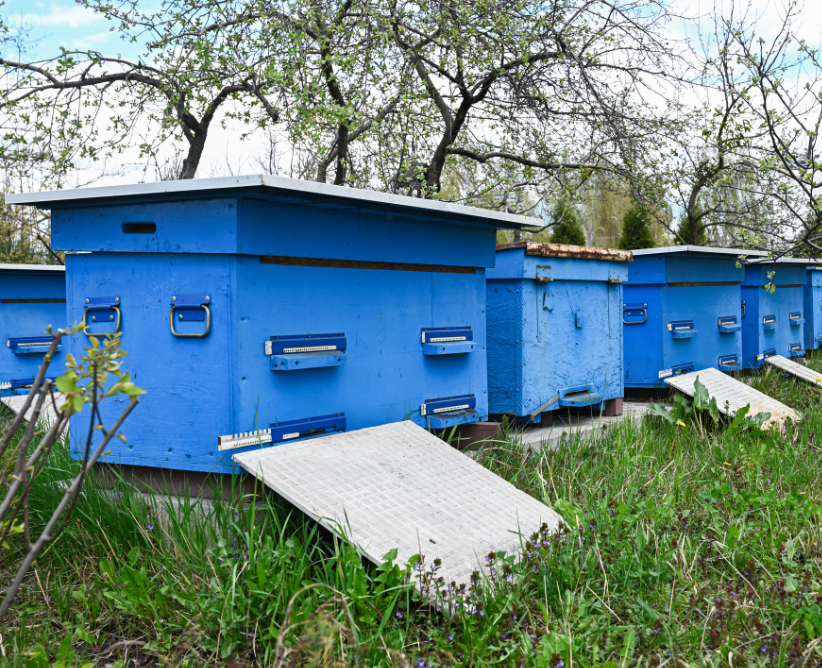
Why Sustainable Hive Design Matters More Than Ever
For serious and commercial beekeepers, sustainability is no longer simply a desirable goal—it is becoming an essential part of long-term apiary management. As environmental pressures increase and consumers become more conscious of how food products are produced, the materials and designs used in beekeeping are coming under greater scrutiny. Sustainable hive construction offers an opportunity to reduce environmental impact, improve hive longevity, and create healthier conditions for bees while maintaining commercial viability.
From the choice of timber to insulation methods and hive longevity, every decision made during hive construction can influence both colony performance and the environmental footprint of an operation. Investing in sustainable hive design today can deliver benefits for years to come.
Choosing Sustainable Building Materials
The foundation of an eco-friendly hive begins with the materials used in its construction. Traditionally, many Australian beekeepers have relied on pine hives due to their affordability and availability. However, sourcing timber from sustainably managed forests is becoming increasingly important.
Certified plantation-grown timber provides a renewable option that helps reduce pressure on native forests. Some beekeepers are also exploring alternative materials such as sustainably harvested cedar, recycled hardwood, or engineered timber products that offer durability while minimising waste.
When selecting materials, longevity should be a key consideration. A hive that lasts twenty years with proper maintenance is often far more sustainable than one that requires replacement every five years.
Environmentally Responsible Finishes and Treatments
Protecting hive boxes from Australia’s harsh climate is essential, but many conventional paints and preservatives contain chemicals that may impact both the environment and bee health.
Water-based, low-VOC exterior paints and natural oils provide effective protection while reducing chemical exposure. Many commercial beekeepers are also moving towards finishes that are safer for both applicators and the surrounding environment.
Regular maintenance of hive equipment can significantly extend service life, reducing the need for replacement materials and lowering long-term costs.
Improving Hive Efficiency Through Design
Sustainable hive design is not solely about materials. It is also about creating structures that support colony health while reducing resource consumption.
Insulated hive designs are becoming increasingly popular in regions that experience temperature extremes. Better insulation can help colonies regulate internal temperatures more efficiently, reducing stress on bees and potentially improving brood development.
Well-designed ventilation systems also contribute to hive health by minimising moisture build-up, which can lead to mould growth and disease issues. Simple design modifications can improve airflow while maintaining protection from the elements.
Reducing Waste Across the Apiary
Large-scale beekeeping operations can generate significant waste through damaged equipment, packaging, and consumables. Sustainable practices focus on extending the lifespan of equipment wherever possible.
Repairing hive components rather than replacing them, recycling wax, reusing frames where appropriate, and implementing efficient storage systems can significantly reduce waste generation.
Many commercial operators are also reviewing transport logistics, aiming to reduce fuel consumption and improve operational efficiency when moving hives between locations.
Supporting Pollinator-Friendly Landscapes
A truly sustainable approach extends beyond the hive itself. Serious beekeepers increasingly recognise the importance of supporting healthy forage environments.
Working with landholders to establish pollinator-friendly plantings, encouraging native vegetation restoration, and protecting flowering resources all contribute to stronger colonies and healthier ecosystems. Sustainable hive design works best when combined with sustainable landscape management.
Conclusion
Building sustainable beehives requires more than selecting environmentally friendly materials. It involves adopting a holistic approach that considers hive longevity, colony health, operational efficiency, and environmental responsibility.
For Australian beekeepers, sustainable hive construction represents an investment in the future of both their businesses and the broader beekeeping industry. By choosing durable materials, improving hive design, reducing waste, and supporting healthy forage landscapes, apiarists can create resilient operations that benefit bees, beekeepers, and the environment for generations to come.
– Become BQUAL certified –
Proudly display the B-QUAL logo and demonstrate your enterprise is operating in accordance with the industry requirements and expectations of consumers, markets, regulatory authorities and the wider community, in relation to the key issues of food safety and industry best practices.

