
Troubleshooting Common Beekeeping Problems: A Practical Guide
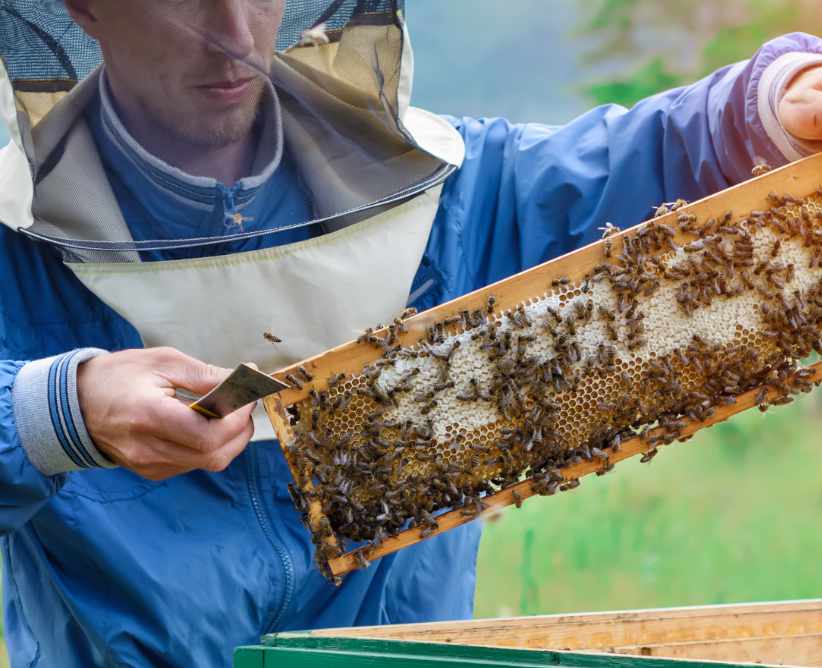
Keeping Ahead of Problems in the Apiary
Commercial and serious hobby beekeeping demands more than routine hive inspections. Strong colonies can deteriorate quickly when nutrition, pests, weather, queen performance or hive conditions get out of balance. Effective troubleshooting starts with recognising early warning signs and understanding what they may indicate. It also means keeping accurate records so that changes in colony performance can be identified before they become costly problems.
Propolis harvesting is the practice of collecting the resinous material that bees gather from plants and use to seal gaps, protect the hive and maintain its internal environment. For beekeepers, harvested propolis can be a valuable hive product, but its collection should be incorporated into an overall colony-management strategy rather than treated as a separate activity.
Poor Brood Patterns and Queen Problems
An irregular brood pattern is one of the first signs that something may be wrong. A poorly performing queen, nutritional stress, disease or excessive mite pressure can all affect brood development.
Rather than immediately replacing the queen, assess the colony as a whole. Look for fresh eggs, the distribution and condition of brood, food availability and signs of disease. Comparing current observations with previous inspection records can help distinguish a temporary setback from a persistent queen problem.
Unexpectedly Weak Colonies
A colony that is losing strength requires investigation rather than simply additional feeding. Check for adequate stores, brood production, pest pressure and signs of robbing. Consider whether weather conditions or a poor local nectar flow have contributed.
For commercial operations, consistently recording colony strength and productivity can help identify patterns across apiaries. This information is particularly valuable when deciding whether colonies require intervention, consolidation or closer monitoring.
Signs of Pest or Disease Pressure
Pests and diseases remain among the most important causes of colony decline. Beekeepers should be alert to abnormal brood, unusual adult bee behaviour, damaged comb, excessive debris and visible pests.
Varroa management is particularly important for Australian beekeepers operating in areas where the mite is present. Monitoring should be systematic rather than based solely on visual inspection. Where treatment is required, products should be used according to current Australian directions and label requirements.
Good biosecurity also matters. Avoid moving equipment, frames or bees unnecessarily between colonies and apiaries, and investigate unusual colony losses promptly.
Robbing and Colony Stress
Robbing can escalate rapidly when forage is scarce. Fighting around hive entrances, bees behaving unusually aggressively and bees attempting to enter another colony can all be warning signs.
Reduce opportunities for robbing by avoiding unnecessary exposure of honey and syrup, managing entrances appropriately and keeping apiary inspections efficient. During dearth periods, feeding practices need particular care.
Managing Heat, Weather and Nutrition
Australian conditions can place considerable pressure on colonies. Heatwaves, drought, flooding and sudden changes in nectar availability can all affect colony performance.
Monitor hive weight, food stores, water availability and ventilation. However, avoid assuming that every weak colony needs supplementary feed. Feeding should address an identified nutritional shortage and form part of a broader management plan.
Conclusion: Diagnose Before You Act
Successful troubleshooting is less about reacting quickly and more about identifying the underlying cause. A disciplined inspection routine, accurate records and a willingness to investigate changes in colony behaviour can prevent relatively minor problems from becoming major losses.
For serious and commercial beekeepers, consistent observation and evidence-based management are essential. Healthy colonies are built through informed decisions, careful monitoring and timely intervention.
– Become BQUAL certified –
Proudly display the B-QUAL logo and demonstrate your enterprise is operating in accordance with the industry requirements and expectations of consumers, markets, regulatory authorities and the wider community, in relation to the key issues of food safety and industry best practices.

